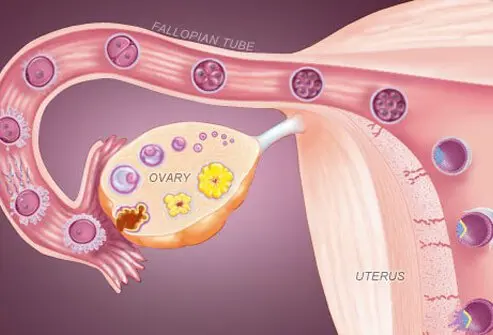
Recent research suggests that ovaries may remain biologically active after menopause rather than simply becoming inactive. A mouse study found increased immune activity and tissue changes in post-reproductive ovaries, while a preliminary human study found ongoing changes in proteins related to inflammation, immune responses and tissue remodelling. However, the first study was conducted in mice and the human research is still a preprint, so the health significance of these changes remains uncertain.
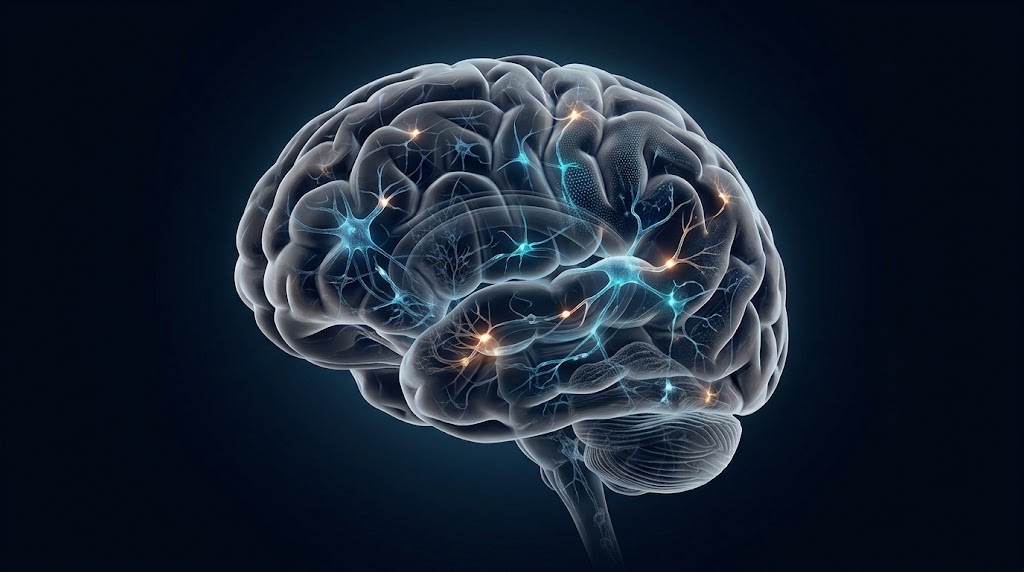
Your brain is not fixed; it continues to adapt throughout life. Focus, mistakes, sleep, novelty, exercise and repetition can all support neuroplasticity, helping your brain strengthen and reorganise neural connections.
The key message: what you repeatedly learn, practise and experience can shape your brain over time.
Produced in 1941 for the Knowledge Builders educational series, Karl Kurt Bosse’s How the Eye Functions transforms complex ocular anatomy and light refraction into a striking visual journey. Blending delicate biological diagrams, motion-picture camera analogies, and surrealist sequences including an iconic drifting "wall of eyes". The film stands as an extraordinary, public-domain collision of wartime science instruction and mid-century modern animation.
A 7-year study of 404 adults aged 50+ found that more time spent sitting was associated with greater brain-volume loss and cognitive decline, even among people who exercised regularly. However, because the study was observational, it does not prove that prolonged sitting causes brain shrinkage or Alzheimer’s disease.