Health

Latest stories and features in Health.

AllBiologyMedicineMental HealthNatureNutritionWellness
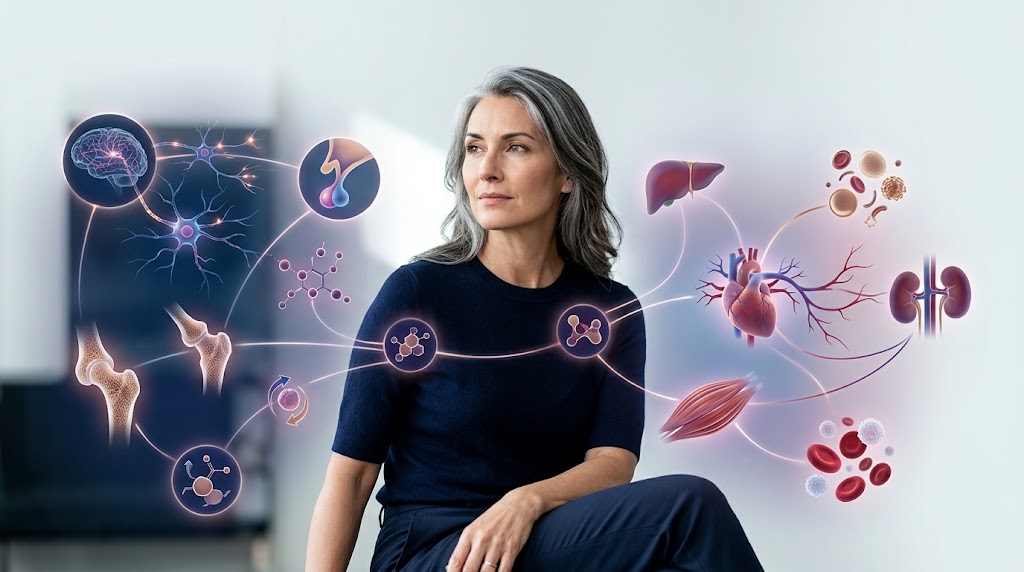
Menopause May Change Almost Every System in the Body, Study of 300 Million Lab Tests Suggests
Health

Menopause May Change Almost Every System in the Body, Study of 300 Million Lab Tests Suggests

An analysis of 300 million lab tests from over 1 million women suggests menopause may affect many body systems, not just reproductive hormones. Changes were observed in areas including bone, liver, cholesterol, kidney, muscle, blood cells, inflammation, and metabolism, with some changes beginning years before the final menstrual period. However, the study is a preprint based on existing medical records, so it cannot prove cause and effect. Further research and peer review are needed to confirm the findings.
By Mariah Hawthorn7 min read
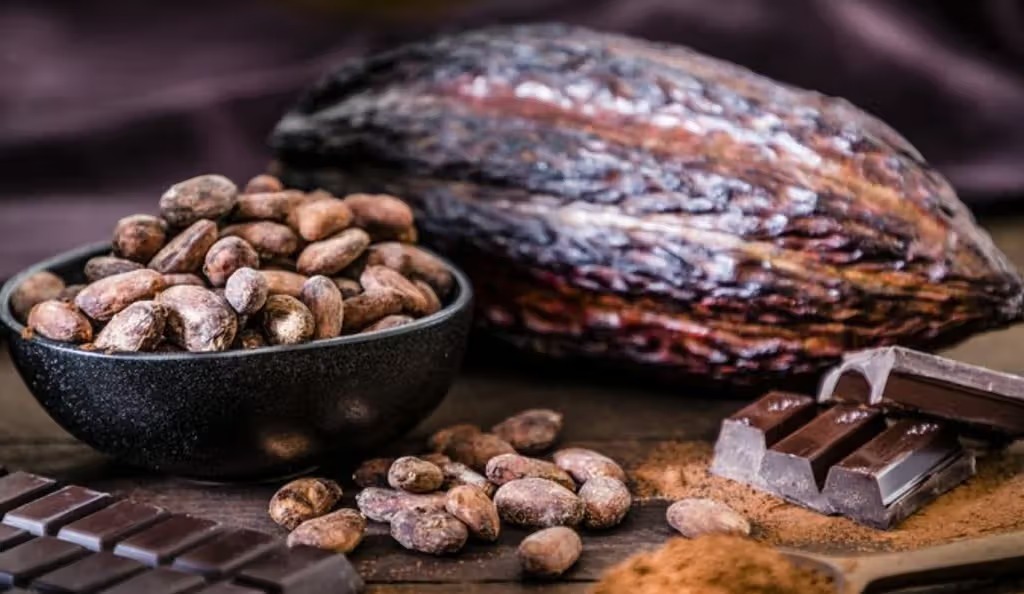
Dark Chocolate Is More Than Just an Antioxidant: Cocoa Flavanols Modestly Improve Blood Pressure and Endothelial Function in Clinical Trials
Health

Dark Chocolate Is More Than Just an Antioxidant: Cocoa Flavanols Modestly Improve Blood Pressure and Endothelial Function in Clinical Trials

Research suggests that cocoa flavan-3-ols, particularly epicatechin, may benefit cardiovascular health by improving endothelial function and supporting nitric oxide signalling, which helps blood vessels relax and widen. A 2019 review found a modest improvement in flow-mediated dilation, while a larger 2025 meta-analysis of 145 trials involving 5,205 participants reported improved endothelial function and a small reduction in blood pressure.

By Mariah Hawthorn6 min read
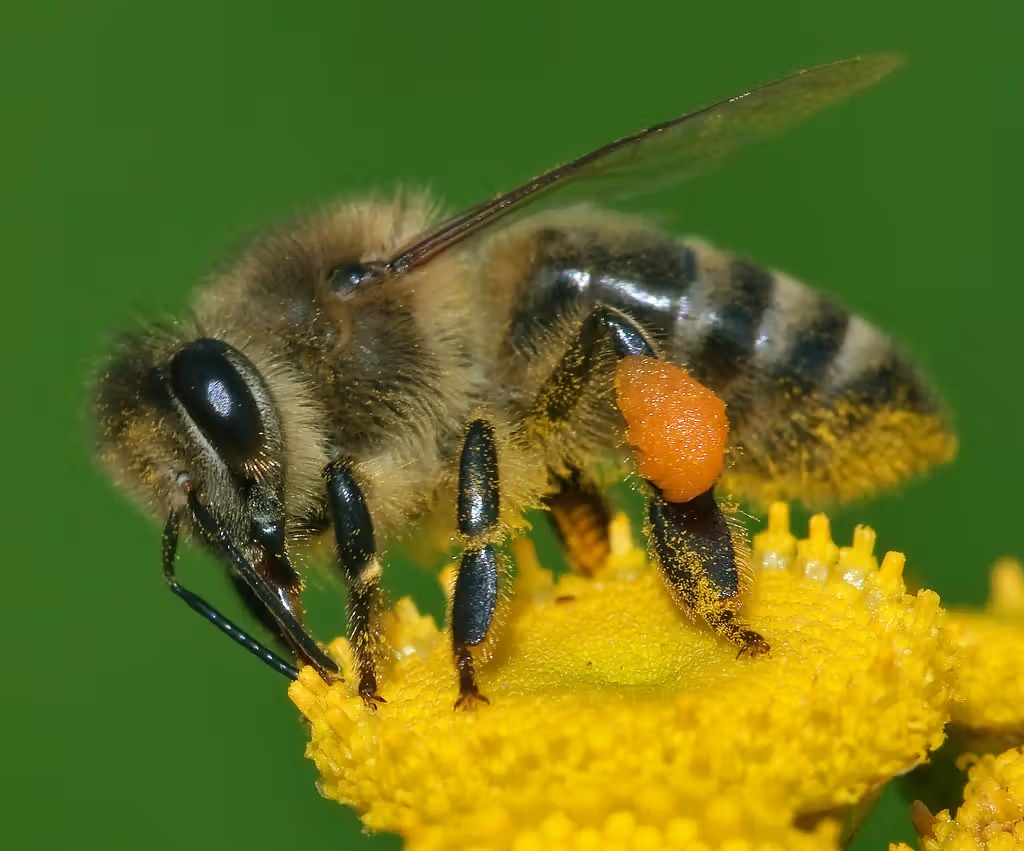
Honeybee Venom and Melittin Rapidly Kill Up To 100% of Aggressive Breast Cancer Cells in Laboratory Study
Health

Honeybee Venom and Melittin Rapidly Kill Up To 100% of Aggressive Breast Cancer Cells in Laboratory Study

A 2020 lab study found that honeybee venom and its main component, melittin, rapidly killed breast-cancer cells including aggressive triple-negative and HER2-positive cells. In laboratory experiments, cancer-cell membranes were destroyed within about 60 minutes. However, this was preclinical research (cells/lab experiments), not a proven treatment in humans. Bee venom can also be dangerous, so it should not be used as a cancer treatment outside clinical research.

By Mariah Hawthorn7 min read